
Navigating inflation risk in retirement
Inflation doesn’t hit every household the same way. For retirees, the mix of everyday spending (and how it changes over time) can make price rises feel sharper than the headline Consumer Price Index (CPI) suggests. The good news: you can build a retirement income plan that acknowledges these pressures and uses assets with better inflation alignment – without abandoning diversification.
What do retirees actually spend on – and how inflation-sensitive are those items?
The Australian Bureau of Statistics (ABS) publishes Selected Living Cost Indexes (SLCIs) that track how prices move for specific household types, including Age pensioner households and self-funded retirees. Over the 12 months to December 2025, the ABS reported living cost rises between 2.3% p.a. and 4.2% p.a. across household types, with Housing, Food and nonalcoholic beverages, and Recreation and Culture the main contributors – useful signposts to where retirees’ budgets feel it most.
Drilling into inflation sensitivity:
How do asset classes behave when inflation is elevated?
There’s no single “inflation hedge,” but assets respond differently:
Why industrial property is described as “inflation-aware”
Industrial real estate (warehouses, logistics, manufacturing, cold storage, data adjacent sites) has several inflation friendly features:
Lease mechanics that move with inflation or at fixed steps. Many Australian industrial leases use CPI linked or fixed annual increases (e.g., 3–4%), and options for market reviews. If the lease says CPI, the rent typically rises by the CPI change for the period; sometimes with caps or floors, helping the income line keep pace. (Always check the exact clause.)
Structural demand tailwinds. E-commerce, supply chain resilience (onshoring/near shoring), automation and AI driven logistics have increased the need for well specified facilities, supporting occupancy and bargaining power in key precincts.
Constrained supply and replacement cost are doing the heavy lifting now. Even with vacancy normalising, Australia’s pipeline is structurally limited by a shortage of serviced, zoned industrial land, which caps how quickly new stock can be delivered and keeps pressure on existing assets. Meanwhile, replacement cost inflation (materials, labour, and compliance) has raised the hurdle rate for new builds; that’s why agencies continue to report rental growth pockets even as vacancy lifts—new supply must be priced high enough to justify today’s input costs, which effectively supports the value of existing, income‑producing stock.
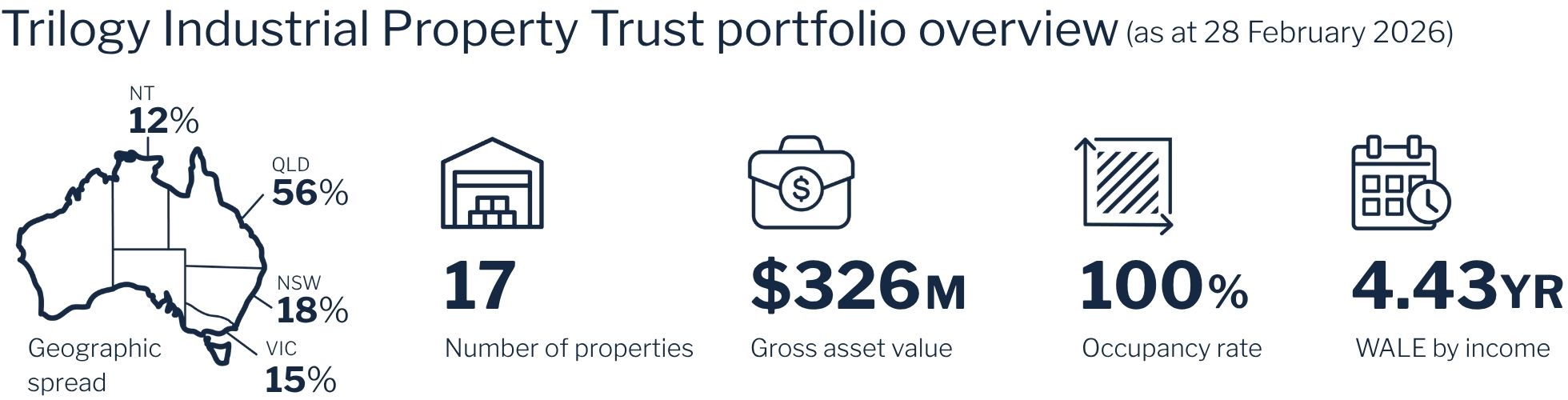
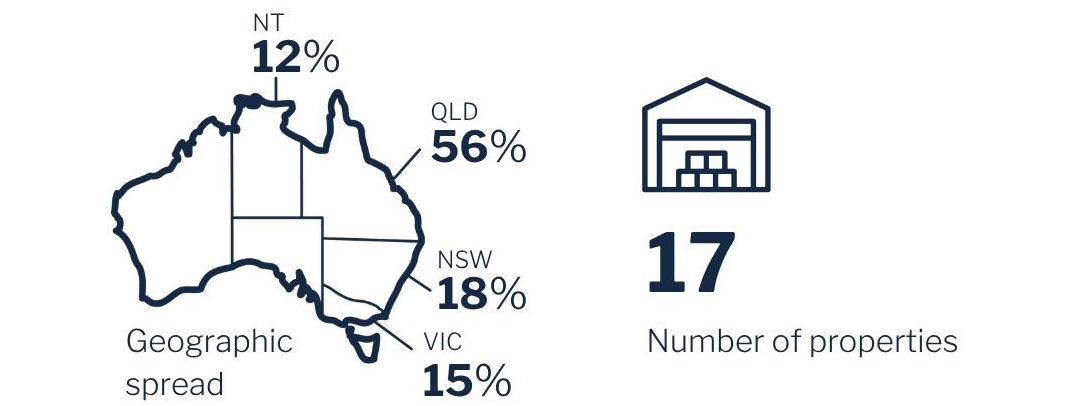
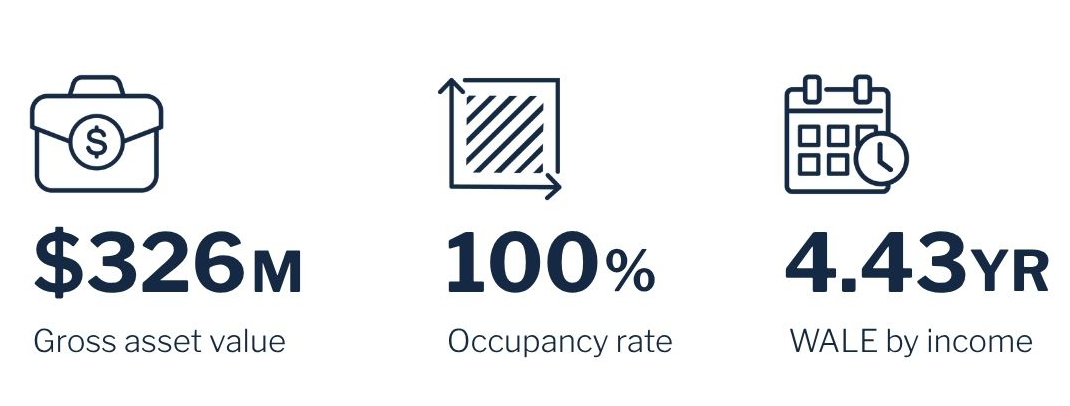
For income focused investors, these features matter because they can translate into monthly distributions that adjust over time, with capital values following the earned rent across the cycle (recognising that valuations can still be sensitive to interest rates). Manager selection and asset quality are critical – tenant strength, WALE (weighted average lease expiry), and locations with limited competing supply drive the durability of that inflation linkage.
Some thoughts to walk away with:
Retiree budgets are most exposed to housing/energy, food, health and transport—and those categories have seen meaningful price movement, particularly housing and energy in 2025–26. Plan for these being inflation sensitive line items.
The Age Pension’s indexation mechanism helps, and scheduled rises in September and March have lifted payments; still, timing lags and category differences mean your personal inflation can run hotter than the headline figures.
On the portfolio side, blend assets with different inflation responses: equities for long run growth (but accept dividend variability), bonds for stability (and consider inflation linked where appropriate), and property for contracted rent uplifts – with industrial often offering the cleanest alignment via CPI/fixed reviews and structural demand.
Issued by Trilogy Funds Management Limited ABN 59 080 383 679 AFSL 261425. Click for PDS and TMD for Trilogy Industrial Property Trust ARSN 623 096 944 includes further information and risks such as loss of part or all of your capital or no or lower than expected returns. Past performance is not a reliable indicator of future performance.


